






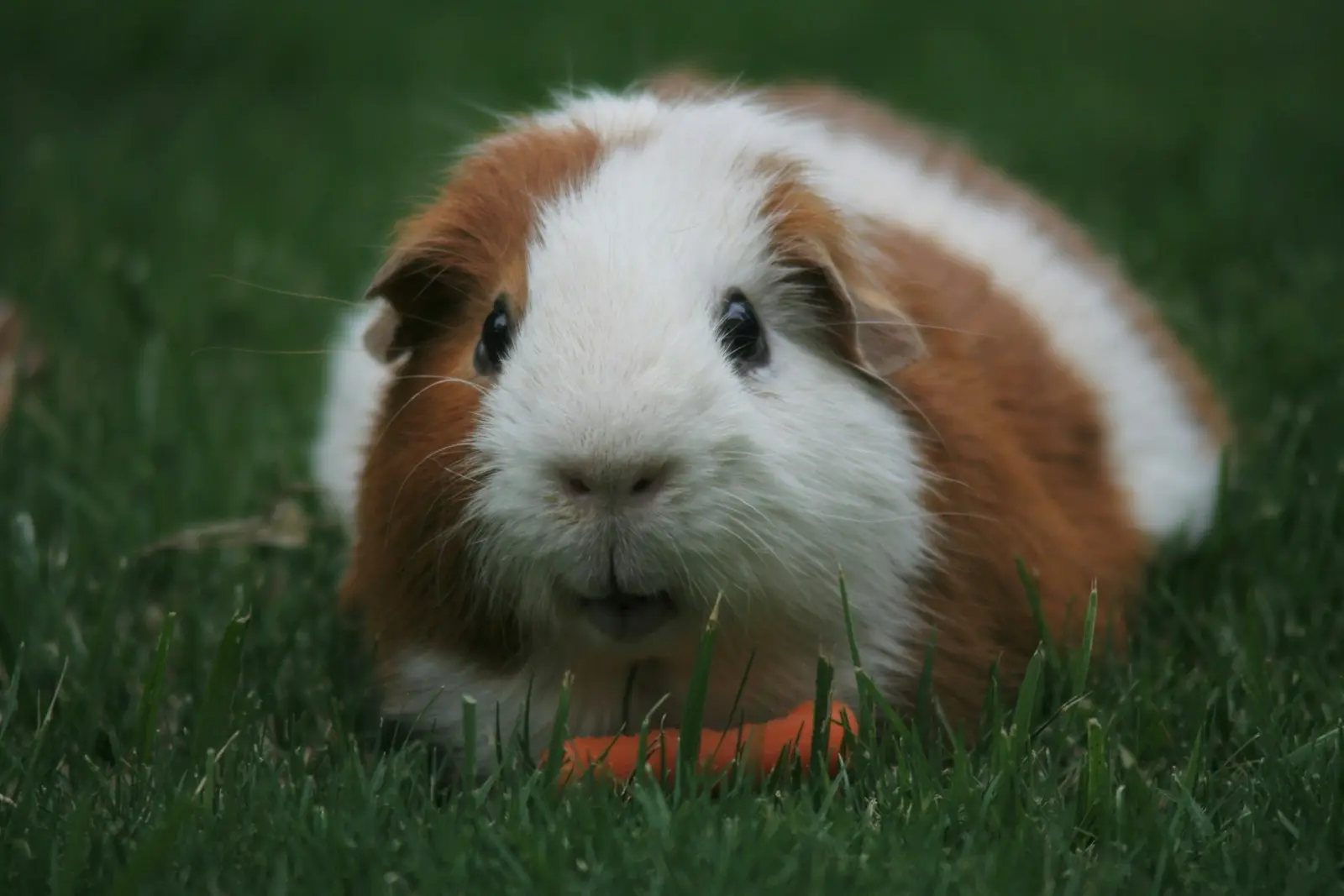
Guinea pigs may be small, but their diet has a huge impact on their health.
So which vegetables are actually safe for guinea pigs? And how much should they be eating?
Here’s our simple guide to the best vegetables for happy, healthy guinea pigs.
Why vegetables matter for guinea pigs
Guinea pigs cannot make their own vitamin C, which means they must get it from their diet every single day. Without enough vitamin C, guinea pigs can become seriously unwell.
Fresh vegetables also provide:
- Mental enrichment
- Hydration
- Fibre
- Important nutrients
But not all vegetables are safe and some should only be fed occasionally.
The best everyday vegetables for guinea pigs
These are some of the safest vegetables you can offer regularly as part of a balanced diet.
Bell peppers
One of the best vegetables for guinea pigs because they are high in vitamin C.
Green, yellow, and red peppers are all safe.
Romaine lettuce
A good source of hydration and fibre.
Avoid iceberg lettuce, as it contains very little nutrition and can upset digestion.
Cucumber
Great for hydration, especially during warmer weather.
Coriander
Many guinea pigs love herbs, and coriander is a safe option in moderation.
Parsley
High in vitamin C, but should be fed in smaller amounts because it also contains calcium.
Spring greens
Nutritious and fibre-rich when offered as part of a varied diet.
Courgette
Low in sugar and generally well tolerated.
Vegetables guinea pigs should only eat occasionally
Some vegetables are safe in small amounts but shouldn’t be fed daily.
These include:
- Carrots
- Spinach
- Kale
- Broccoli
Too much can contribute to digestive problems or bladder stones in some guinea pigs.
Vegetables to avoid completely
Some foods can be dangerous for guinea pigs and should never be fed.
Avoid:
- Onions
- Garlic
- Chives
- Potatoes
- Rhubarb
- Avocado
If you are ever unsure about a food, it’s always safest to check before offering it.
What should most of your guinea pig’s diet be?
Vegetables are important, but hay is still the most important part of a guinea pig’s diet.
Around 80–90% of their food intake should be good quality hay to support:
- Dental health
- Digestion
- Natural behaviour
A healthy guinea pig diet should include:
- Unlimited hay
- Fresh water
- Measured guinea pig pellets
- Daily fresh vegetables
Signs your guinea pig’s diet may not be right
Poor diet can lead to several health issues in guinea pigs.
Watch for:
- Weight loss
- Reduced appetite
- Diarrhoea
- Drooling
- Difficulty eating
- Lethargy
- Changes in droppings
Because guinea pigs often hide illness, subtle signs can still indicate a serious problem.
Need advice about your guinea pig’s diet?
Our team at James Street Veterinary Centre is always happy to help with guinea pig nutrition, preventative care, and health checks.
If you are worried about your guinea pig’s eating habits or overall health, contact the team for advice or to arrange an appointment.